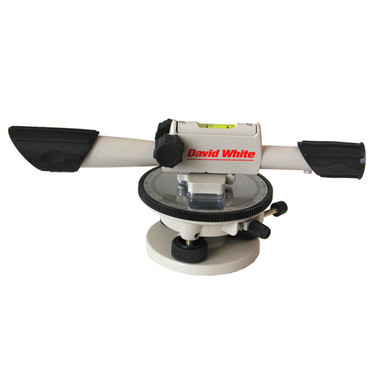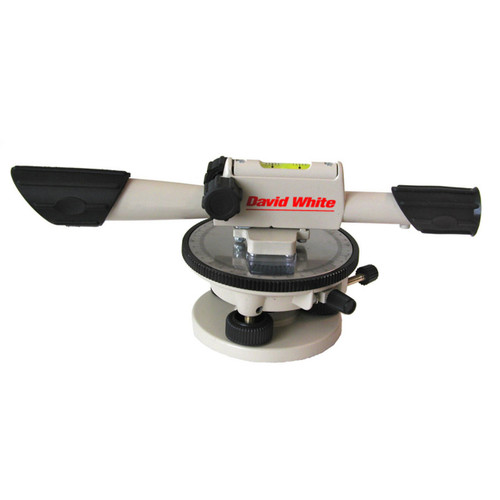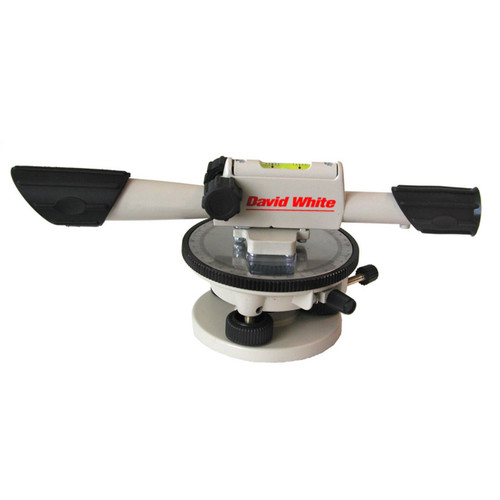
The SOKKIA B30A-25 Automatic Level is a professional-grade optical instrument purpose-built for surveyors, civil contractors, and construction crews who demand fast setup and reliable elevation data across demanding jobsite conditions. With 28-power magnification, a high-tensile wire compensator, and magnetic damping system, the B30A-25 delivers consistent accuracy in environments where vibration, wind, and rough terrain would compromise lesser instruments.
Overview & Jobsite Applications
The B30A-25 is designed for high-volume leveling work on construction sites, road grading projects, utility installations, and land surveying operations. Its automatic compensator self-levels within a ±15-arcminute range, eliminating tedious manual adjustments between shots and letting crews move efficiently through benchmarking runs. The wide field of view at 28x magnification means readable rod shots at extended distances — cutting the number of instrument setups required to cover large grading areas or long pipeline runs.
Key Specifications
- Magnification: 28x
- Objective Lens Diameter: 36mm
- Minimum Focus Distance: 0.5m (1.6 ft)
- Compensator Type: High-tensile wire suspension with magnetic damping
- Compensator Range: ±15 arcminutes
- Standard Deviation (per km double run): ±1.5mm
- Horizontal Circle: 360° graduated circle
- Stadia Ratio: 100:1
- Instrument Weight: Approx. 1.8 kg (3.97 lbs)
- Tripod Thread: 5/8" x 11 standard
Key Features
- Magnetic damping compensator for rapid settling in vibration-prone environments
- 28x magnification with bright, high-contrast optics for clear rod readings at distance
- Horizontal graduated circle for rough azimuth work and layout reference
- Sealed optics resistant to dust and moisture ingress
- Smooth-action horizontal tangent screw for precise aiming
- Circular level vial for quick rough leveling before compensator takes over
- Compact, lightweight body for easy transport between setups
- Compatible with standard 5/8" x 11 tripods — works with equipment you already own
Job Applications
Site Grading & Earthwork: Establish and verify cut/fill elevations across large grading areas with fewer setups. The 28x optics let operators read a rod at distances that keep pace with dozer and scraper work without constantly repositioning the instrument.
Foundation Layout & Elevation Control: Transfer benchmark elevations to foundation forms, check footing elevations for level, and verify slab pour heights with confidence. The ±1.5mm/km accuracy rating meets the precision demands of structural concrete work.
Utility & Pipeline Gradient Control: Run pipe grades and verify invert elevations on sewer, storm drain, and water main installations. The stadia function allows quick distance checks to confirm rod placement without a separate measurement.
Road & Infrastructure Surveying: Profile road subgrades, check curb and gutter elevations, and run level loops for infrastructure projects. The compensator's wide range handles the uneven setups common on active roadway construction zones.
Compatible Accessories
- Aluminum Survey Tripod — Heavy-Duty
- Fiberglass Grade Rod — 13 ft Telescoping
- Rod Level Bubble
- Optical Plumb Bob
- Instrument Carrying Case
- Lens Cleaning Kit for Optical Instruments
Related Guides
- How to Set Up and Operate an Automatic Level
- Reading a Grade Rod: A Field Guide for Contractors
- Automatic Level vs. Laser Level: Choosing the Right Tool
- Running a Level Loop: Best Practices for Accurate Benchmarking
Frequently Asked Questions
- What does the magnetic damping compensator do on the SOKKIA B30A-25?
- The magnetic damping compensator uses a pendulum suspended on high-tensile wires combined with a magnetic braking system to quickly stop oscillation after the instrument is disturbed. This means the compensator settles faster between shots — a significant productivity advantage on jobsites with ground vibration from equipment, traffic, or wind.
- Is the B30A-25 accurate enough for structural or precision work?
- Yes. With a standard deviation of ±1.5mm per kilometer of double-run leveling, the B30A-25 meets the accuracy requirements for most construction, grading, and general surveying applications. For extremely high-order geodetic surveys, a digital level with a bar-code rod would be the appropriate upgrade, but for the vast majority of contractor and survey crew work, the B30A-25 is more than sufficient.
- What tripod does the SOKKIA B30A-25 use?
- The B30A-25 accepts any standard 5/8" x 11 threaded tripod head — the most common size in the industry. If you already own a quality survey tripod from any major manufacturer, it will be compatible. A heavy-duty aluminum or wood-leg tripod is recommended for best stability.
- Can the B30A-25 be used for distance measurement?
- Yes, to a degree. The instrument has a stadia ratio of 100:1, which allows you to calculate approximate distances using the stadia hair intercept on a level rod. This is useful for rough distance checks in the field, though it does not replace a dedicated EDM or total station for precision distance work.
Frequently Asked Questions
What does the magnetic damping compensator do on the SOKKIA B30A-25?
The magnetic damping compensator uses a pendulum suspended on high-tensile wires combined with a magnetic braking system to quickly stop oscillation after the instrument is disturbed. This means the compensator settles faster between shots — a significant productivity advantage on jobsites with ground vibration from equipment, traffic, or wind.
Is the B30A-25 accurate enough for structural or precision work?
Yes. With a standard deviation of ±1.5mm per kilometer of double-run leveling, the B30A-25 meets the accuracy requirements for most construction, grading, and general surveying applications. For extremely high-order geodetic surveys, a digital level with a bar-code rod would be the appropriate upgrade, but for the vast majority of contractor and survey crew work, the B30A-25 is more than sufficient.
What tripod does the SOKKIA B30A-25 use?
The B30A-25 accepts any standard 5/8" x 11 threaded tripod head — the most common size in the industry. If you already own a quality survey tripod from any major manufacturer, it will be compatible. A heavy-duty aluminum or wood-leg tripod is recommended for best stability.
Can the B30A-25 be used for distance measurement?
Yes, to a degree. The instrument has a stadia ratio of 100:1, which allows you to calculate approximate distances using the stadia hair intercept on a level rod. This is useful for rough distance checks in the field, though it does not replace a dedicated EDM or total station for precision distance work.