Overview
The David White LT8-300LTU Line Transfer Unit (Model 46-D8877) is a precision optical instrument engineered specifically for underground pipe laying and utility installation projects. This specialized tool bridges the gap between surface-level laser positioning and below-grade excavation work, allowing construction teams to accurately transfer alignment and grade information directly into trenches and manholes. Unlike standard surveying equipment, the LT8-300LTU features a unique 360-degree rotating telescope with a downward-looking optical plummet, enabling operators to establish precise vertical reference points beneath the instrument while simultaneously maintaining horizontal alignment control.
Designed to work seamlessly with pipe laser systems, this line transfer unit eliminates the guesswork and measurement errors that commonly plague underground utility installations. The device enables a single operator to quickly establish accurate pipe grades and horizontal alignment from street level, then transfer those exact measurements into the trench where crews are working. This capability dramatically reduces setup time, minimizes costly installation errors, and ensures that gravity-fed systems like sanitary sewers and storm drains maintain proper flow characteristics throughout their service life.
Built to withstand the rigors of heavy construction environments, the LT8-300LTU combines rugged construction with precision optics. The instrument's weather-resistant housing protects delicate internal components from dust, moisture, and job site impacts, while its intuitive design allows both experienced surveyors and field crew members to operate it with minimal training. For contractors specializing in municipal infrastructure, commercial site development, or residential subdivision work, this line transfer unit represents an essential tool for maintaining quality control and project efficiency on underground utility installations.
Key Specifications
- Model Number: 46-D8877
- Telescope Design: 360-degree rotating optical system
- Primary Function: Vertical and horizontal line transfer for pipe laser applications
- Optical Plummet: Precision downward-viewing system for below-instrument positioning
- Application Focus: Underground utility and pipe installation
- Compatibility: Designed for use with pipe laser systems and alignment equipment
- Construction: Durable weather-resistant housing for job site conditions
- Sighting Capability: Direct below-instrument viewing for trench work
- Alignment Features: Simultaneous grade and horizontal positioning
What's in the Kit
- David White LT8-300LTU Line Transfer Unit (Main Instrument)
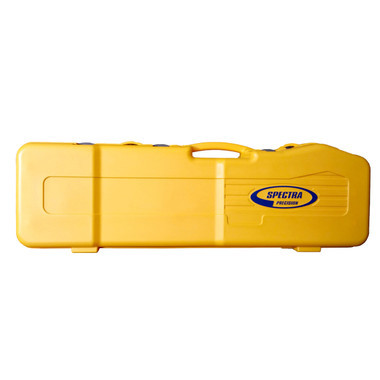
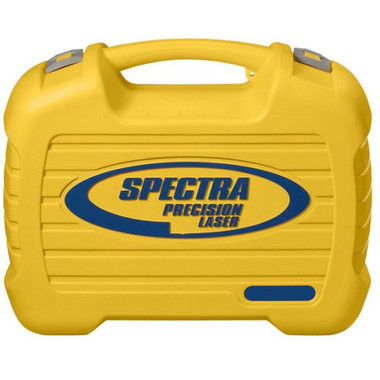
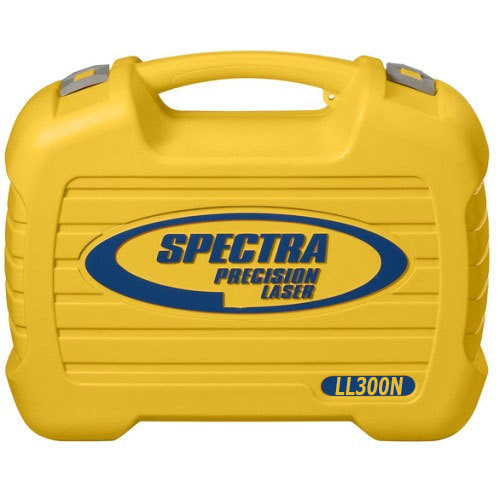
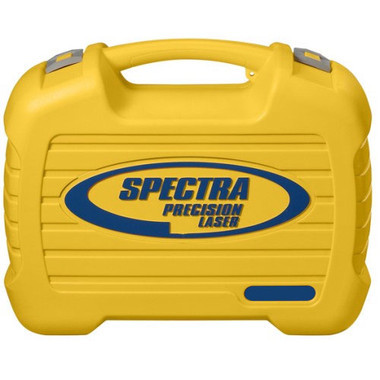
- Protective Hard Carrying Case
- Lens Cleaning Cloth
- Operator's Manual with Setup Instructions
- Calibration Certificate
- Adjustment Tools
Job Applications
- Sanitary Sewer Installation: Gravity-fed sewer systems demand precise grade control to ensure proper flow rates and prevent backups. The LT8-300LTU allows crews to transfer exact grade measurements from the laser reference at street level directly to pipe sections being installed in the trench, eliminating cumulative errors that can compromise system performance over hundreds or thousands of feet of pipe runs.
- Storm Drain Construction: Storm water management systems require accurate alignment and grading to handle peak flow conditions during heavy rainfall events. This line transfer unit enables construction teams to maintain proper horizontal and vertical positioning throughout complex drainage networks, ensuring that water flows efficiently from catch basins to detention facilities or outfall locations without creating low spots where sediment can accumulate.
- Water Main Installation: While water mains operate under pressure, proper alignment prevents joint stress and reduces the risk of future leaks. The LT8-300LTU helps installation crews maintain straight horizontal runs and consistent depth, making it easier to install pipe sections within specified grade tolerances and ensuring adequate clearance from other underground utilities.
- Underground Utility Crossings: When multiple utilities intersect or parallel one another, precise positioning becomes critical to maintain proper separation and prevent conflicts. The line transfer unit's ability to establish exact reference points in confined excavations allows crews to navigate complex underground environments where traditional surveying methods would be impractical or impossible.
- Manhole and Structure Alignment: Manholes, valve vaults, and junction boxes must align precisely with incoming and outgoing pipe runs. By transferring surface measurements directly to the structure location, the LT8-300LTU ensures that precast or cast-in-place structures are positioned correctly before backfilling, eliminating costly corrections and reducing the risk of pipe joint failures at critical connection points.
- Trenchless Pipe Installation Support: Horizontal directional drilling and pipe bursting operations require accurate entry and exit points to achieve desired alignments. The line transfer unit provides surface-to-subsurface positioning control that helps boring crews maintain proper trajectory and emerge at precisely the right location, reducing the risk of damaging existing utilities or missing target reception pits.
Compatible Accessories
- Heavy-Duty Tripod with Extension Column for Elevated Positioning
- Laser Detector and Rod for Grade Checking
- Pipe Laser Systems (Various Models for Different Pipe Diameters)
- Laser Target Plates for Enhanced Visibility in Deep Excavations
- Optical Plumb Bob for Additional Vertical Reference
- Lens Protection Caps and Weather Covers
- Calibration and Maintenance Kit
Related Guides
- Pipe Laser Setup Best Practices for Underground Construction
- Understanding Sewer Grade Requirements and Flow Calculations
- Line Transfer Techniques for Accurate Trench Work
- Quality Control Methods for Underground Utility Installation
FAQ
- How does a line transfer unit differ from a standard transit or level?
- While traditional transits and levels measure horizontal and vertical angles from the instrument position, a line transfer unit is specifically designed to project measurement references vertically downward beneath the instrument itself. This allows operators to transfer precise positioning information from a laser reference at ground level directly into an excavation or trench below, which is essential for underground pipe work where the installation point is below the instrument rather than at a distance from it.
- Can the LT8-300LTU be used without a pipe laser system?
- The LT8-300LTU is designed to work in conjunction with pipe laser systems and provides the most value when used as part of a complete laser-guided installation setup. However, the instrument's optical capabilities can be used independently for establishing vertical reference points and checking alignment on certain applications. For optimal accuracy and efficiency in pipe laying operations, it should be used with a compatible pipe laser that establishes the grade reference line.
- What level of training is required to operate this line transfer unit?
- The LT8-300LTU is designed for straightforward operation, and most construction professionals can learn basic functions within an hour of hands-on instruction. However, achieving optimal accuracy requires understanding fundamental surveying principles and proper setup techniques. Many contractors find that having one crew member receive detailed training, then demonstrating procedures to the team, provides the best balance of efficiency and accuracy. The included operator's manual provides step-by-step instructions for common applications.
- How often does the LT8-300LTU require calibration?
- For maximum accuracy, the line transfer unit should be checked for calibration at the beginning of each major project and recalibrated if the instrument experiences any impacts, drops, or rough handling. Many contractors establish a routine calibration schedule every 3-6 months depending on usage intensity. Signs that calibration may be needed include difficulty achieving alignment, inconsistent readings, or if field measurements don't match design specifications. Professional calibration services can verify and adjust the optical system to factory specifications.