Dual-Slope Capability for Complex Grading Applications
The SETUP GL1425C is a professional dual grade rotating laser level engineered for contractors who need precision on demanding jobsites. With independent X-axis and Y-axis slope control, the GL1425C eliminates the need for multiple instrument setups or manual compound slope calculations—saving time, reducing errors, and keeping crews moving efficiently from start to finish. Whether you're grading a parking lot, establishing drainage fall across a building pad, or finishing a crowned road surface, this laser delivers the control and reliability professionals demand.
Jobsite Overview & Applications
The GL1425C is built for outdoor construction environments where accuracy and durability are non-negotiable. Its robust housing withstands dust, moisture, and the vibration of active worksites. The self-leveling system gets the instrument operational quickly, and the wide grade range supports everything from near-flat slab work to aggressive drainage slopes. Contractors working in civil construction, site development, agricultural grading, and commercial concrete will find the GL1425C a versatile and dependable tool for daily use.
Key Specifications
- Grade Range: ±10% on both X and Y axes simultaneously
- Self-Leveling Range: ±5°
- Accuracy: ±1.5mm at 30m (±1/16" at 100')
- Rotation Speed: 150, 300, 600 RPM (selectable)
- Working Range: Up to 800m diameter with detector
- Laser Class: Class 3R, 635nm red beam
- Power Source: Rechargeable battery pack (included)
- Battery Life: Up to 20 hours per charge
- Operating Temperature: -20°C to +50°C (-4°F to 122°F)
- Protection Rating: IP66 dust and water resistant
Key Features
- Independent dual-axis grade control for true cross-slope and crowned surface work
- Digital grade display for precise slope entry without manual calculations
- Remote control compatibility for single-operator jobsite efficiency
- Out-of-level alarm with automatic shutdown to protect grade accuracy
- Multiple rotation speeds for visibility in bright daylight conditions
- Rugged IP66-rated housing for all-weather outdoor performance
- Compatible with a wide range of grade rods, detectors, and machine control receivers
Job Applications
Parking Lot & Pavement Grading: Set precise cross-fall and longitudinal grades in a single instrument setup, ensuring proper stormwater drainage across large paved surfaces without time-consuming repositioning.
Building Pad & Foundation Prep: Establish a perfectly graded building pad with controlled slope to direct water away from foundations—critical for both commercial and residential site work.
Agricultural Land Leveling: The wide grade range and long working distance make the GL1425C ideal for field leveling, irrigation channel grading, and drainage ditch layout on large agricultural properties.
Road Construction & Crowned Surfaces: Apply independent X and Y slopes simultaneously to achieve crowned road profiles and proper shoulder fall without multiple laser setups or manual grade checks.
Compatible Accessories
- SETUP Laser Detector / Receiver for Outdoor Use
- SETUP Remote Control Unit for GL Series Lasers
- Grade Rod with Detector Clamp
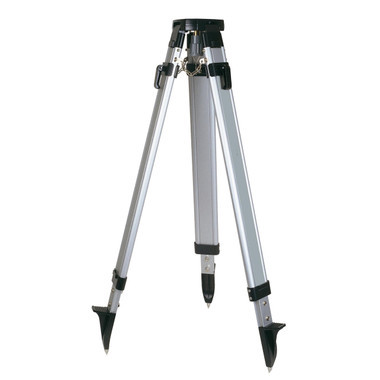
- Heavy-Duty Tripod for Rotating Lasers
- SETUP Machine Control Receiver
- Replacement Rechargeable Battery Pack
Related Guides
- How to Set Dual Grade with a Rotating Laser Level
- Choosing the Right Grade Laser for Your Jobsite
- Rotating Laser Level Setup & Calibration Guide
- Single Grade vs. Dual Grade Lasers: Which Do You Need?
Frequently Asked Questions
- Can the GL1425C set two different slopes at the same time?
- Yes. The GL1425C features true dual-grade functionality, allowing you to set independent slopes on both the X-axis and Y-axis simultaneously. This makes it ideal for cross-fall, crowned surfaces, and complex drainage layouts that would otherwise require multiple setups.
- What detector is recommended for use with the GL1425C?
- SETUP offers compatible outdoor laser detectors designed to work with the GL1425C's red beam. For maximum working range and bright-light performance, use a SETUP grade detector mounted to a rod clamp. See the Compatible Accessories section above for options.
- Is the GL1425C suitable for machine control applications?
- The GL1425C is compatible with machine control receivers designed for grade laser input. This allows the laser signal to interface with blade control systems on graders and dozers for automated grading operations. Verify receiver compatibility with your machine control system before purchase.
- What is the working range of the GL1425C?
- With a compatible laser detector, the GL1425C delivers a working range of up to 800 meters in diameter—suitable for large site grading, agricultural leveling, and long-range layout work. Unaided visible range in low-light conditions is significantly shorter.
Frequently Asked Questions
Can the GL1425C set two different slopes at the same time?
Yes. The GL1425C features true dual-grade functionality, allowing you to set independent slopes on both the X-axis and Y-axis simultaneously. This makes it ideal for cross-fall, crowned surfaces, and complex drainage layouts that would otherwise require multiple setups.
What detector is recommended for use with the GL1425C?
SETUP offers compatible outdoor laser detectors designed to work with the GL1425C's red beam. For maximum working range and bright-light performance, use a SETUP grade detector mounted to a rod clamp. Check the Compatible Accessories section for available options.
Is the GL1425C suitable for machine control applications?
The GL1425C is compatible with machine control receivers designed for grade laser input, allowing the laser signal to interface with blade control systems on graders and dozers for automated grading operations. Verify receiver compatibility with your machine control system before purchase.
What is the working range of the GL1425C?
With a compatible laser detector, the GL1425C delivers a working range of up to 800 meters in diameter—suitable for large site grading, agricultural leveling, and long-range layout work. Unaided visible range in low-light conditions is significantly shorter and will vary by ambient light.