Overview
The David White AL8-32 Automatic Level Package delivers professional-grade leveling accuracy for construction, surveying, and site work applications. This complete kit combines the precision-engineered AL8-32 automatic level with a 13-foot tenths rod and heavy-duty aluminum tripod, providing contractors and surveyors with a ready-to-use solution right out of the box. With 32x magnification power and automatic compensator technology, the AL8-32 ensures precise horizontal reference planes even when the instrument isn't perfectly level. The compensator automatically adjusts within its working range, eliminating the need for constant manual adjustments and significantly speeding up your workflow. Whether you're establishing grade for foundations, setting elevations for drainage systems, or performing topographic surveys, this package provides the accuracy and durability demanded by professionals at an exceptional value point of $354.
Key Specifications
- Magnification: 32x power for clear sight lines up to 400 feet
- Accuracy: ±1/32 inch at 100 feet (±0.8mm at 30m)
- Compensator Range: ±15 minutes automatic leveling
- Minimum Focus Distance: 3.3 feet (1 meter)
- Objective Lens Diameter: 36mm for bright, clear images
- Circle Graduation: 1-degree horizontal circle
- Working Range: Approximately 400 feet with standard rod
- Optical System: Fully coated lenses for superior light transmission
- Leveling Method: 3-screw base with circular bubble vial
- Instrument Weight: 4.2 pounds (1.9 kg)
- Operating Temperature: -4°F to 122°F (-20°C to 50°C)
- Warranty: 1-year manufacturer's limited warranty
What's in the Kit
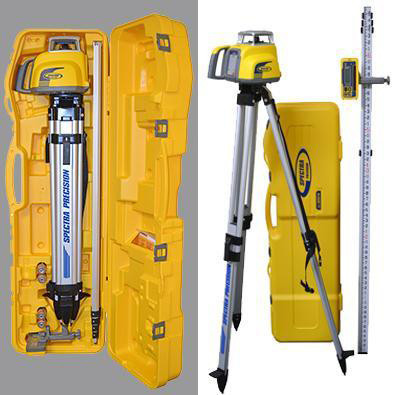
- David White AL8-32 Automatic Level: 32x magnification optical instrument with internal compensator mechanism and sunshade
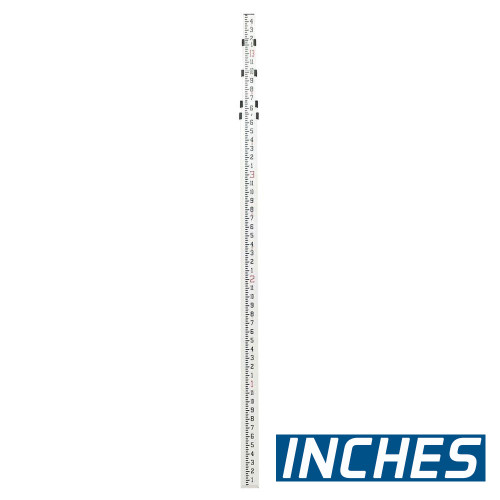
- 13-Foot Tenths Rod (Model 45-8932K-1T): Graduated in decimal tenths for simplified elevation calculations and reduced math errors
- Heavy-Duty Aluminum Tripod: Adjustable-height tripod with quick-clamp leg locks and replaceable steel points
- Hard-Shell Carrying Case: Protective case with foam interior for safe instrument transport and storage
- Lens Cloth: Microfiber cleaning cloth for maintaining optical clarity
- Adjustment Tools: Hex keys for field calibration and maintenance
- User Manual: Comprehensive operating instructions and maintenance guidelines
Job Applications
- Foundation and Footing Layout: Establish precise elevation benchmarks for concrete pours and verify forms are level across the entire foundation area. The 32x magnification allows clear readings even across large building footprints, while the automatic compensator maintains accuracy as you move between setups throughout the day.
- Site Grading and Excavation: Set accurate cut-and-fill elevations for earthwork operations, ensuring proper drainage slopes and minimizing material waste. The tenths rod simplifies grade calculations for operators, reducing costly over-excavation errors and speeding up site preparation.
- Drainage System Installation: Verify proper slope for sewer lines, storm drains, and French drain systems where gravity flow is critical. The AL8-32's accuracy ensures your drainage systems perform as designed, preventing standing water issues and costly callbacks.
- Concrete Flatwork: Check elevations for parking lots, sidewalks, patios, and floors to ensure proper drainage and ADA compliance. The optical system provides clear readings in varying light conditions, from early morning pours to late afternoon finishing work.
- Landscaping and Hardscaping: Establish elevations for retaining walls, terraced gardens, irrigation systems, and decorative features. The lightweight design makes it easy to move around residential properties while maintaining professional-grade accuracy.
- Topographic Surveys: Gather elevation data for site planning, contour mapping, and volume calculations. The 400-foot working range covers substantial areas from each setup, reducing the number of instrument moves required for property surveys.
Compatible Accessories
- Grade Rods: Additional leveling rods in feet-inch, metric, or builder's rod configurations
- Rod Bipods and Tripods: Stabilizing supports for single-person operation and improved accuracy
- Prism Poles: For use with optical squares and right-angle layout work
- Replacement Tripods: Wood or fiberglass tripods for varying terrain conditions
- Laser Detector/Receiver: Convert to laser-assisted operation with compatible laser attachments
- Plumb Bobs: Precision centering accessories for control point setup
- Surveyor's Umbrellas: Sun protection for extended outdoor operation
- Target Plates: High-visibility targets for long-distance or low-light readings
Related Guides
- How to Set Up and Use an Automatic Level
- Choosing the Right Surveying Equipment for Your Projects
- Reading and Interpreting Leveling Rods Accurately
- Automatic Level Maintenance and Calibration Tips
FAQ
- What's the difference between a tenths rod and a standard construction rod?
- A tenths rod is graduated in decimal increments (0.1, 0.2, 0.3 feet, etc.) rather than feet-and-inches, which significantly simplifies elevation calculations. Instead of converting fractions and inches, you can perform straightforward decimal math—for example, 5.7 feet minus 3.2 feet equals 2.5 feet of elevation difference. This reduces calculation errors and speeds up data recording, making tenths rods particularly popular for engineering projects, site grading, and construction staking where elevations are specified in decimal format on plans.
- How often does the AL8-32 need to be calibrated?
- For professional accuracy, the AL8-32 should be field-checked at the beginning of each project and formally calibrated annually or after any impact or rough handling. The two-peg test is a simple field procedure that takes about 10 minutes and verifies the compensator is functioning within specifications. Most users perform this check monthly during active use. Professional calibration services can restore factory specifications if drift is detected, ensuring your measurements remain reliable for critical construction layout work.
- Can this level be used in cold weather conditions?
- Yes, the AL8-32 is rated for operation in temperatures from -4°F to 122°F (-20°C to 50°C), making it suitable for year-round use in most climates. However, when working in extreme cold, allow the instrument to gradually acclimate to outdoor temperatures before use—sudden temperature changes can cause temporary optical distortion or condensation. Store the level in an unheated vehicle or job box rather than bringing it from a warm building directly into freezing conditions. The compensator mechanism functions reliably throughout the rated temperature range.
- What's the maximum distance I can take accurate readings with this package?
- With the included 13-foot tenths rod, the AL8-32 can provide accurate readings up to approximately 400 feet under good visibility conditions. The 32x magnification and 36mm objective lens gather sufficient light for clear rod readings at this distance. For longer distances, accuracy diminishes due to atmospheric refraction and rod visibility rather than instrument limitations. For optimal accuracy, keep shots under 300 feet and balance foresight and backsight distances equally. If your projects regularly require readings beyond 400 feet, consider adding a target or using a rod with larger graduations for improved visibility.