Overview
The David White LT6-900 Meridian Transit-Level combines traditional surveying reliability with modern affordability, making professional-grade measurement accessible for contractors, builders, and surveyors working on residential and light commercial projects. This versatile optical instrument delivers 22X magnification power paired with intuitive transit-level functionality—allowing you to establish precise elevations, transfer benchmark heights, measure horizontal and vertical angles, and lay out building foundations with confidence.
Built on David White's decades-long reputation for durable construction optics, the LT6-900 targets the value-conscious professional who needs dependable accuracy without the complexity or expense of digital total stations. The Meridian series specifically addresses the needs of small contractors, landscaping companies, deck builders, and independent surveyors who require occasional angle measurement capability beyond what standard automatic levels provide. Whether you're grading a residential lot, setting forms for a foundation, installing drainage systems, or laying out fence lines, this transit-level provides the measurement versatility your projects demand at a price point that protects your bottom line.
The LT6-900's optical design features a fully adjustable telescope with cross-hair reticle, horizontal circle with vernier scale for angle readings, and a sensitive circular bubble level for quick setup plus a precision tubular vial for final leveling. The instrument mounts securely to any standard surveying tripod via a standard 5/8 x 11 threaded base, and the telescope rotates a full 360 degrees horizontally while also tilting vertically for transit measurements—functionality that separates this tool from simpler builder's levels.
Key Specifications
- Magnification: 22X optical power
- Objective Lens: 36mm diameter for excellent light gathering
- Field of View: 1°20' (provides clear target visibility at distance)
- Minimum Focus Distance: 4.9 feet (1.5m)
- Horizontal Circle: Full 360° with 1-degree graduations
- Vertical Arc: Transit capability with angle measurement
- Leveling Accuracy: ±1/4 inch per 100 feet under optimal conditions
- Compensator: Optical alignment system
- Tripod Thread: Standard 5/8 x 11 TPI
- Operating Temperature: -4°F to 122°F (-20°C to 50°C)
- Weather Resistance: Splash-resistant construction (not waterproof)
- Weight: Approximately 4.5 lbs (instrument only)
- Warranty: Manufacturer's limited warranty coverage
What's in the Kit
- David White LT6-900 Meridian Transit-Level instrument
- Protective hard-shell carrying case with foam interior
- Lens covers (objective and eyepiece)
- Adjustment tools (hex keys for calibration)
- Plumb bob with string for setup positioning
- Operator's manual with setup and calibration instructions
- Sunshade for eyepiece (reduces glare in bright conditions)
Job Applications
- Foundation Layout and Excavation: Establish building corners with precise right angles using the horizontal circle, then verify excavation depths are level across the footprint. The transit capability lets you shoot angles from a single setup point to position multiple corners accurately, eliminating the measurement errors that accumulate with tape-only methods.
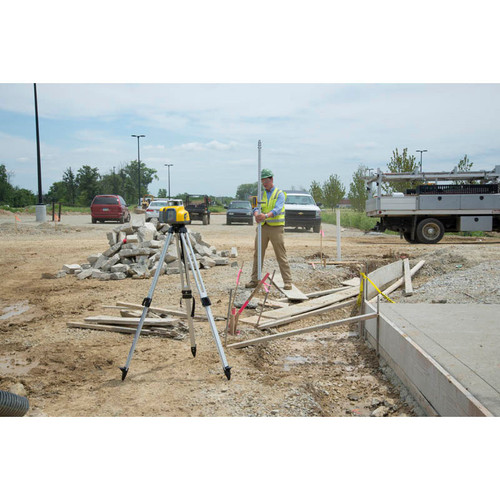
- Residential Grading and Drainage: Set finish grade elevations for yards, driveways, and patio areas, ensuring proper water runoff away from structures. The 22X magnification allows clear rod readings at distances up to 200+ feet, meaning you can grade entire residential lots from strategic instrument positions while maintaining vertical accuracy within 1/4 inch per 100 feet.
- Deck and Outdoor Structure Construction: Level post tops for deck framing, establish consistent beam heights, and verify railings maintain code-compliant elevations. The LT6-900's ability to measure both horizontal angles and elevations from a single setup saves time when positioning posts in non-rectangular layouts or on sloped terrain.
- Fence and Property Line Stakeout: Use the horizontal circle to turn precise angles when laying out property boundaries, running fence lines at specific bearings, or establishing setback distances from irregular lot lines. This eliminates guesswork when local codes require structures be positioned at exact distances and angles from property boundaries.
- Irrigation and Utility Installation: Determine proper slope gradients for drainage pipes, irrigation lines, and sewer laterals that require gravity flow. The transit-level's vertical angle capability helps you establish and verify consistent grades, ensuring water flows correctly without low spots that trap debris or excessive slopes that cause erosion.
- Site Surveying and Topographic Mapping: Conduct basic boundary surveys, create simple topographic sketches, and establish benchmark elevations for small projects. While not replacing professional land surveying for legal purposes, the LT6-900 provides sufficient accuracy for preliminary site analysis, quantity takeoffs, and construction planning on properties under five acres.
Compatible Accessories
- Aluminum Surveying Tripods: Standard 5/8 x 11 threaded heavy-duty tripods (flat-head or dome-head styles) — essential for stable instrument mounting
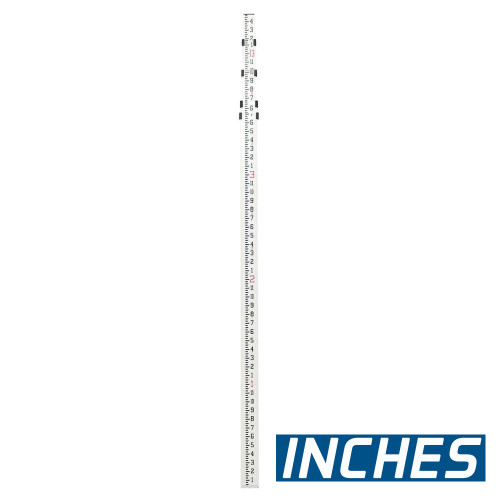
- Leveling Rods: Fiberglass or aluminum grade rods (typically 8-25 foot lengths with engineer's or architect's graduations)
- Prism Poles and Targets: Range poles with reflective targets for long-distance angle measurements and stakeout work
- String Line and Stakes: Contractor-grade mason's line and wooden stakes for transferring layout points to the ground
- Replacement Optical Components: Eyepiece upgrades, additional lens covers, and sunshades for specific lighting conditions
- Calibration Targets: Collimation testing equipment for periodic accuracy verification
- Weatherproof Covers: Instrument rain covers for working in light precipitation
Related Guides
- How to Set Up and Level a Transit-Level Instrument
- Reading a Surveyor's Leveling Rod: Complete Visual Guide
- Foundation Layout Techniques for Residential Construction
- Optical Transit-Levels vs. Digital Instruments: Which Is Right for Your Business?
FAQ
- What's the difference between a transit-level and a standard builder's level?
- A builder's level only rotates horizontally and measures elevations. A transit-level like the LT6-900 adds vertical rotation capability with angle measurement on both horizontal and vertical planes, allowing you to measure slopes, turn precise angles, and perform basic surveying tasks that require directional orientation. This makes transit-levels significantly more versatile for layout work, property surveys, and situations where you need to establish angles as well as elevations.
- Can I use this instrument in light rain or morning dew conditions?
- The LT6-900 features splash-resistant construction that protects against light moisture, morning dew, and brief drizzle, but it is not waterproof and should not be used in steady rain or left exposed to precipitation. For working in wet conditions, consider using an aftermarket weatherproof instrument cover. Always dry the instrument thoroughly and store it in its case after exposure to any moisture to prevent internal fogging and corrosion of adjustment mechanisms.
- How often does this transit-level need calibration, and can I do it myself?
- Professional calibration verification is recommended annually if you use the instrument regularly, or whenever you suspect accuracy problems after the instrument has been dropped or subjected to hard impact. Basic collimation checks (ensuring the line of sight is perpendicular to the horizontal axis) can be performed on-site using two-peg testing methods described in the operator's manual. The included adjustment tools allow you to make minor corrections, though significant calibration issues should be addressed by qualified service centers to maintain warranty coverage.
- What effective range can I expect with 22X magnification for construction work?
- Under good lighting conditions with a clear atmosphere, you can obtain accurate rod readings at distances of 200-250 feet with 22X magnification. Maximum effective range depends on atmospheric conditions (heat shimmer, fog, and haze reduce clarity), rod graduation size (larger numbered rods are readable at greater distances), and your eyesight. For most residential and light commercial applications, you'll work comfortably within 100-150 feet where rod graduations remain crisp and clearly defined, providing the accuracy needed for construction-grade measurements.