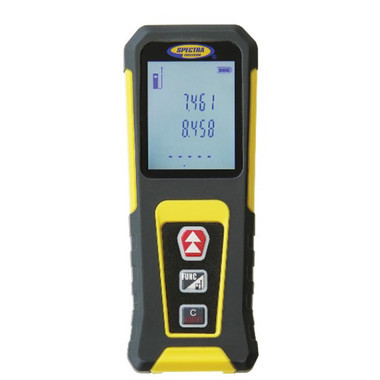
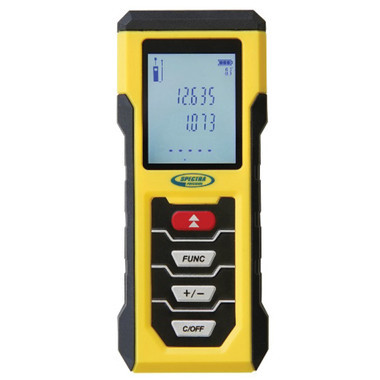
Overview
The Spectra Precision DG711-6 Pipe Laser Vertical Pole Assembly delivers precision-engineered pipe alignment for metric-based underground utility projects. This complete system combines a robust DG711 grade laser with a vertical mounting pole designed specifically for gravity-flow applications including sewer, storm drain, and sanitary installations. Built for contractors working in confined pipe diameters from 200mm to 1500mm, the DG711-6 provides accurate grade control with ±10 arc second accuracy—essential for maintaining proper flow gradients over extended runs. The vertical pole configuration allows rapid setup in manholes and access points, while the laser's self-leveling capability ensures consistent alignment even on uneven working surfaces. Metric scaling throughout the system eliminates conversion errors on international projects or jurisdictions using SI measurements. With an IP68 waterproof rating and drop-tested durability, this system withstands the demanding conditions of trench work, standing water, and repeated relocation between installation points.
Key Specifications
- Accuracy: ±10 arc seconds (±1.5mm at 30m)
- Leveling Range: ±5 degrees self-leveling with out-of-level alert
- Beam Diameter: 25mm at 100m distance
- Working Range: Up to 457m (1,500 ft) with detector
- Pipe Diameter Compatibility: 200mm to 1500mm (8" to 60")
- Grade Range: -10% to +40% digitally adjustable
- Power Source: Rechargeable NiMH battery pack with AC charger
- Battery Life: 35+ hours continuous operation
- Environmental Rating: IP68 (submersible to 1m for 30 minutes)
- Operating Temperature: -20°C to +50°C
- Pole Material: Heavy-duty aluminum with corrosion-resistant coating
- Pole Height: Adjustable 1.2m to 3.6m (4' to 12')
- Weight: 8.6kg (19 lbs) complete assembly
- Measurement Units: Metric (millimeters/meters/centimeters)
What's in the Kit
- DG711 Grade Laser (metric display and controls)
- Vertical Pole Assembly with tripod base
- RC803 Remote Control for grade adjustment
- Rechargeable NiMH Battery Pack
- AC Battery Charger with regional plug adapters
- Carrying Case (hard-shell protective transport)
- Target Plate (200mm graduated metric scale)
- Instruction Manual with metric specifications
- Calibration Certificate with traceability documentation
- Tool Kit for field adjustments and maintenance
Job Applications
- Gravity Sewer Line Installation: Maintains precise fall rates critical for wastewater flow without pumping—errors as small as 5mm over a 30m run can cause settling, blockages, and system failure requiring costly excavation and repair.
- Storm Drain Construction: Ensures adequate hydraulic capacity during peak flow events by establishing exact gradients that prevent ponding, backup, and street flooding during severe weather conditions when drainage performance is most critical.
- Sanitary Line Replacement: Aligns new pipe sections to existing infrastructure grades during rehabilitation projects, maintaining system integrity where grade mismatches create turbulence, solids accumulation, and hydrogen sulfide gas production that deteriorates concrete pipe.
- Culvert and Underdrain Projects: Establishes consistent slope for roadway drainage and foundation systems where water removal prevents base failure, frost heave, and pavement degradation—particularly valuable on highway projects with extensive linear footage.
- Trenchless Pipe Bursting Operations: Provides vertical reference alignment from surface access points when horizontal boring or pipe replacement occurs below grade without open-cut trenching, ensuring new pipe follows designed alignment without visual verification.
- International Contract Work: Eliminates measurement conversion errors on projects specified in metric units, ensuring compliance with engineering drawings, local building codes, and inspection requirements in countries using SI measurement standards.
Compatible Accessories
- Spectra Precision LR50 Pipe Laser Receiver - Wireless detection with visual/audio target indication
- RC803 Replacement Remote Control - Grade adjustment up to 150m range
- Replacement NiMH Battery Pack - Extended runtime for multi-day projects
- Metric Target Plates (200-600mm) - Graduated scales for various pipe diameters
- Heavy-Duty Laser Tripod - Manhole and surface mounting with adjustable legs
- Replacement Hard Carrying Case - Weather-resistant storage and transport
Related Guides
- Pipe Laser Setup Guide: Achieving Grade Accuracy in Confined Spaces
- Understanding Gravity Sewer Grade Requirements and Flow Calculations
- Field Calibration and Accuracy Verification for Grade Lasers
- Metric to Imperial Conversion Reference for Underground Utilities
FAQ
- What's the difference between arc second accuracy and linear measurement accuracy?
- Arc seconds measure angular deviation—the DG711-6's ±10 arc second specification translates to approximately ±1.5mm of vertical deviation at 30 meters distance, or ±3.0mm at 60 meters. This angular measurement method is more useful for pipe work than linear specifications because it shows how accuracy changes with distance. For a typical 45-meter sewer run, you can expect the laser beam to remain within ±2.2mm of true grade, well within the ±6mm tolerance most municipalities require for gravity pipe installation.
- Can this metric system be used on projects with imperial specifications?
- While the DG711-6 displays measurements in metric units (millimeters and meters), it can absolutely be used on imperial-specified projects with proper conversion. The laser beam itself creates a physical reference line regardless of measurement units. Many contractors working on mixed projects use metric lasers with imperial measuring tools, converting design grades before setup. However, if your work is predominantly imperial, consider the DG711-4 model which features inch/foot displays to reduce conversion steps and potential errors during grade entry.
- How does the vertical pole assembly work for different pipe sizes and manhole depths?
- The adjustable pole extends from 1.2m to 3.6m, accommodating shallow utility trenches to deep manhole installations. For pipe diameters, the laser mounts at the pole top, projecting downward into the pipe invert—the pole's tripod base sits on the manhole floor or trench bottom while the laser head positions over the pipe centerline. For pipes from 200mm to 600mm, you'll typically use the pole at shorter extensions with the laser projecting directly into the upstream pipe opening. Larger diameters (600mm to 1500mm) often require the laser positioned at manhole level with the beam directed into the pipe entry point. The system includes adjustable positioning hardware to center the laser over various pipe configurations.
- What maintenance does the DG711-6 require, and how often should it be calibrated?
- Daily maintenance involves cleaning the laser window with a soft cloth, checking battery charge status, and visually inspecting the pole assembly for damage or loose connections. The self-leveling mechanism should be verified each morning by setting up on a known grade and comparing to previous readings. Formal calibration should occur annually under normal use, or immediately after any drop, impact, or submersion event. Most contractors performing municipal work send units for factory calibration every 12 months to maintain documentation for inspection acceptance, though the unit's accuracy typically remains stable for 18-24 months. Keep calibration certificates on file—many inspectors require proof of current calibration before accepting grade verification on critical utility installations.