Spectra Precision HV101GC-3 Horizontal / Vertical General Construction Package Metric
Price: $595.00
Overview
The Spectra Precision HV101GC-3 Metric package delivers professional-grade laser leveling for international contractors and domestic projects requiring metric measurements. This dual-plane system projects both horizontal and vertical laser beams simultaneously, enabling accurate reference lines for foundation work, concrete pours, framing, and grade establishment. The complete metric configuration includes a centimeter-graduated measuring rod that correlates directly with metric blueprints, eliminating conversion errors and streamlining layout processes on jobsites following international specifications.
Self-leveling technology ensures the HV101 establishes accurate reference planes within 4.5 seconds of power-up, while the internal pendulum compensates for minor surface irregularities. Dual-slope capability on both axes allows precise grading work for drainage systems, parking structures, and architectural features requiring controlled pitch. The rotating laser head provides 360-degree horizontal coverage and full-height vertical reference, reducing setup repositioning and improving productivity across large jobsites.
Built for demanding construction environments, the HV101 features IP66-rated dust and water protection with reinforced housing that survives drops up to one meter onto concrete. The included rechargeable battery system delivers full-shift runtime, while the detector extends working range beyond 300 meters in bright conditions where the laser beam becomes invisible. This metric package provides international contractors with measurement standards matching global construction practices while offering domestic builders seamless integration with metric-specification projects.
Key Specifications
- Accuracy: ±1.5mm at 10 meters (±1/16" at 30 feet) for horizontal and vertical planes
- Leveling Range: ±5 degrees with automatic self-leveling, out-of-level alert beyond range
- Beam Type: Class 2 visible red laser diode, 635nm wavelength, 360-degree horizontal rotation
- Rotation Speed: 0, 150, 300, 600, 1,500 RPM selectable speeds for visibility and detector use
- Working Range: 30m (100 feet) diameter visible range, 300m+ (1,000+ feet) with HR320 detector
- Slope Capability: Dual-axis manual slope from 0-15% in 0.1% increments on X and Y axes
- Self-Leveling Time: 4.5 seconds typical from power-on to operational
- Power Source: Rechargeable NiMH battery (included), supplemental alkaline battery option
- Runtime: 60+ hours on single charge at standard rotation speeds
- Environmental Protection: IP66 rating against dust intrusion and powerful water jets
- Drop Resistance: Survives 1-meter drops onto concrete with tripod mounted
- Operating Temperature: -20°C to +50°C (-4°F to 122°F) for year-round use
- Mounting Thread: 5/8"-11 standard tripod thread with magnetic base compatibility
- Measuring Rod: 4-meter aluminum rod with centimeter graduations, metric E-face reading
- Weight: 2.2 kg (4.9 lbs) laser unit; complete kit 8.5 kg (18.7 lbs) with case
What's in the Kit
- HV101 Laser Level: Dual-plane rotating laser with horizontal and vertical simultaneous operation
- HR320 Laser Detector: Clamp-mount receiver with digital LCD, 3-meter capture height, audible alerts
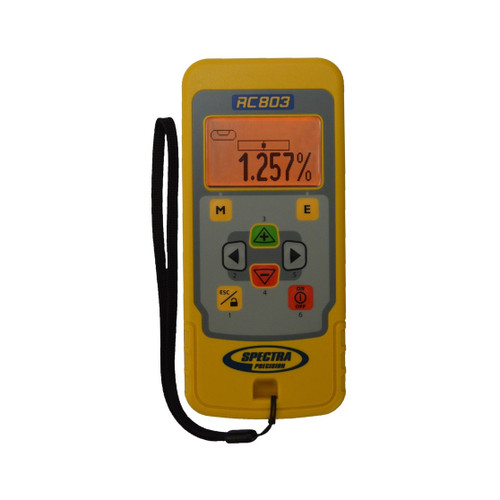
- RC402N Remote Control: Handheld controller for laser functions up to 100-meter range
- 4-Meter Metric Grade Rod: Aluminum telescoping rod with centimeter graduations and metric E-face
- HL760 Rod Clamp: Detector mounting bracket with fine-adjustment knob and secure lock
- Rechargeable Battery: NiMH battery pack with integrated charge management
- Battery Charger: Multi-voltage AC adapter for international use (100-240V)
- Laser Safety Glasses: Red-lens enhancement glasses for improved beam visibility in bright conditions
- Magnetic Wall Mount: Quick-attach mounting plate for vertical applications on steel structures
- Hardshell Carrying Case: Impact-resistant case with custom foam insert protecting all components
- Calibration Certificate: Factory calibration documentation with traceability
- Quick Start Guide: Multilingual setup instructions and basic operation reference
Job Applications
- International Foundation Layout: Establish level datums and square corners for foundation excavation and formwork on projects following metric specifications. The centimeter-graduated rod eliminates inch-to-metric conversion errors when setting depths, elevations, and offsets directly from metric drawings, ensuring dimensional accuracy for structural concrete that must meet international tolerances and inspection requirements.
- Concrete Slab Installation: Set screed rails and monitor pour depth during flatwork operations requiring laser-guided placement. The horizontal rotating beam provides continuous elevation reference across large slabs while the vertical plane ensures edge forms remain plumb. Metric rod graduations correlate directly with specified slab thickness in centimeters, preventing costly over-pours and ensuring compliance with structural calculations based on metric concrete volumes.
- Steel Framing Alignment: Project vertical reference lines for column placement and beam elevation during structural steel erection. The magnetic wall mount attaches directly to steel members for hands-free operation while the simultaneous horizontal plane confirms levelness at each tier. Metric measurements match fabrication shop drawings and bolt-hole dimensions specified in millimeters, maintaining alignment tolerances throughout multi-story construction.
- Drainage System Grading: Create precise slopes for stormwater management, parking lot drainage, and utility trenches using dual-axis slope capability. Set exact fall percentages matching hydraulic engineering calculations, then verify grade elevations at intervals using the metric rod. The digital slope adjustment in 0.1% increments ensures proper flow rates calculated in metric units, preventing standing water and meeting civil engineering specifications for international infrastructure projects.
- Interior Partition Installation: Establish plumb vertical references for drywall framing, glass curtain walls, and architectural millwork requiring precise alignment. The 360-degree vertical fan beam projects floor-to-ceiling reference lines around entire rooms, while the horizontal plane confirms level ceiling tracks. Metric rod measurements maintain dimensional coordination with architectural finishes specified in millimeters, ensuring reveals, joints, and panel alignments meet design intent without field modifications.
- Site Development and Grading: Control rough and finish grade elevations for building pads, roadway subbase, and landscape contouring on land development projects. The extended detector range enables grade checks beyond 100 meters from single laser setups, reducing repositioning on large sites. Metric elevation measurements integrate directly with civil site plans and grading plans dimensioned in meters, maintaining earthwork volumes and drainage patterns as engineered for international development standards.
Compatible Accessories
- HR550 High-Accuracy Detector – Premium receiver with ±1mm digital readout and data logging
- GL622 Dual Grade Laser – Advanced slope laser with digital grade matching
- Heavy-Duty Elevating Tripod – Adjustable-height tripod with geared elevation and quick-clamp legs
- LR60 Universal Receiver – Multi-brand compatible detector for mixed equipment fleets
- 5-Meter Metric Grade Rod – Extended-length rod for deep excavation and tall structures
- Adjustable Wall Bracket – Universal mounting system for non-magnetic surfaces
- High-Visibility Target Plate – Reflective plate for long-range sighting and layout verification
Related Guides
- Rotating Laser Level Setup and Calibration Guide
- Working with Metric Measurements in Construction
- Laser Safety and Classification Standards for Jobsites
- Grade Rod Reading Techniques and Best Practices
Frequently Asked Questions
- Can this laser work with imperial measurement rods if I need to switch between metric and standard projects?
-
Yes, the HV101GC-3 laser itself projects standard reference planes that work with any measurement system—only the included grade rod is metric-specific. You can purchase a separate imperial (feet/inches) grade rod and use the same laser for both metric and standard projects. The HR320 detector provides elevation readings in actual distances from the laser plane regardless of rod markings, so you simply match your rod type to your project specifications. Many contractors working international and domestic projects maintain both rod types while using a single laser system.
- How do I set precise slope percentages for drainage work, and can I save common grades for repeated use?
-
The HV101 allows manual slope adjustment on both X and Y axes using the control panel or RC402N remote. Rotate the slope adjustment dial to tilt the laser plane, with gradations showing approximate percentage. For precise grades, use the detector on your metric rod at a known distance from the laser, then calculate the exact height difference needed for your target percentage (e.g., 2cm drop per meter = 2% slope). The laser doesn't digitally store slope settings, so you'll need to reset grades for each setup. For projects requiring frequent grade changes, note your dial positions or consider upgrading to a digital grade-matching laser like the GL622 that stores slope values.
- What's the actual working range with the HR320 detector in bright outdoor conditions versus indoors?
-
Indoor or shaded conditions allow detector operation at the full 300+ meter (1,000+ foot) diameter range. In direct sunlight, effective range reduces to approximately 60-100 meters (200-300 feet) depending on sun angle and brightness—you'll still detect the laser plane but with reduced precision at extreme distances. For maximum outdoor range, work during early morning or late afternoon when sun angle is lower, position the laser to minimize sun direction interference, and use the highest rotation speed (1,500 RPM) which concentrates beam energy for better detection. The visible laser beam itself remains useful to about 15 meters in bright conditions without the detector.
- How often does this laser need professional recalibration, and can I verify accuracy myself between service intervals?
-
Spectra recommends professional recalibration annually or after any significant impact, drop, or if you suspect accuracy drift. You can perform field accuracy checks by setting the laser at a known distance (20 meters is ideal) from a wall, marking the beam height, rotating the laser 180 degrees, and comparing the beam position—any difference greater than 3mm at 10 meters indicates calibration is needed. Also check vertical plane perpendicularity using a builder's square against the projected line. Most contractors schedule annual calibration during slow seasons, but high-precision work or quality programs may require more frequent certified calibration with documentation.